

Table of Contents
Table of Contents
X-Men Best Comic Books for Beginners You’ll Love
Few superhero teams have captured the imagination of readers quite like the X-Men. Since their debut in 1963, these mutants have stood out in the Marvel Universe—not just for their incredible powers, but for the stories they tell. With a roster as diverse as the world itself, the X-Men embody themes of acceptance, identity, and resilience, all while delivering the kind of high-stakes action and emotional drama that keep fans coming back decade after decade.

This guide is crafted specifically for beginners—readers who may have heard of Wolverine, Storm, or Jean Grey but aren’t sure where to start in the vast and often complex X-Men timeline.
Here, you’ll discover a curated selection of both modern and classic story arcs that serve as perfect entry points into the X-Men universe. Each recommendation comes with context, reading tips, and trusted sources, so you can dive in with confidence—whether you want a fresh contemporary reboot or an unforgettable piece of comic book history.
Why Starting Points Matter in X-Men Comics
The X-Men’s history spans over six decades, with hundreds of characters, multiple spin-off teams, alternate timelines, and crossovers that connect to the wider Marvel Universe. While this rich continuity is part of what makes the franchise so beloved, it can also be overwhelming for new readers. Opening an X-Men comic at random often drops you into the middle of an ongoing storyline filled with references to events you’ve never read.
That’s why choosing the right starting point is essential. A well-chosen entry arc will give you enough background to understand the characters and stakes without burying you in decades of backstory. It allows you to connect with the team emotionally, grasp the core themes, and enjoy the storytelling without feeling lost.
In this guide, we’ve done the heavy lifting for you—selecting self-contained storylines, accessible reboots, and timeless classics that stand on their own while still showcasing the heart of the X-Men. Whether you prefer modern, fast-paced storytelling or the iconic arcs that shaped the mutant mythos, there’s a perfect starting point for you here.

Best Modern X-Men Starting Points
If you’re new to the world of mutants, starting with a modern run can be a great choice. Contemporary X-Men comics often feature updated art styles, streamlined continuity, and fresh takes on classic characters—making them more accessible to first-time readers. These arcs also reflect today’s storytelling sensibilities, blending fast-paced action with layered character work.
House of X / Powers of X (2019)
Jonathan Hickman’s House of X and Powers of X are two intertwined series that completely redefined the X-Men universe. They introduce Krakoa, a living island serving as the new mutant homeland, and explore a bold political, cultural, and philosophical vision for mutantkind. The dual narrative jumps between past, present, and future, offering newcomers a thrilling yet approachable starting point into a brand-new era.
![House Of X/Powers Of X Pepe Larraz Cover [New Printing]](https://m.media-amazon.com/images/I/515OIzGQj3L.jpg "X-Men Comic Books For Beginners 5")
Face the future — and fear the future! In HOUSE OF X, Charles Xavier reveals his master plan for mutantkind — one that will bring mutants out of humankind’s shadow and into the light once more! Meanwhile, POWERS OF X reveals mutantkind’s secret history, changing the way you will look at every X-Men story before and after. But as Xavier sows the seeds of the past, the X-Men’s future blossoms into trouble for all of mutantdom. Stories intertwine on an epic scale as Jonathan Hickman reshapes the X-Men’s past, present and future, in two series that are one!
New X-Men (2001)
Grant Morrison’s run (New X-Men #114–156) revitalized the franchise with a sharp, modern voice. This era focuses on the X-Men as complex individuals rather than just superheroes, integrating themes of diversity, evolution, and cultural change. It’s a compelling blend of action, character drama, and forward-thinking ideas that still influence the comics today.
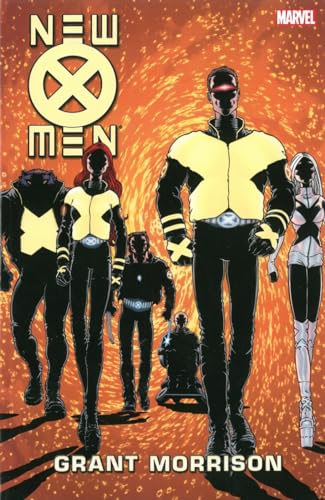
Sixteen million mutants dead – and that was just the beginning! In one bold stroke, writer Grant Morrison (All-Star Superman, Batman) propelled the X-Men into the 21st century, masterminding a challenging new direction for Marvel’s mutant heroes that beg an with the destruction of Genosha and never let up. Regarded as the most innovative thinker of the current comic-book renaissance, Morrison proceeded to turn the mutant-hero genre on its ear. Gone were the gaudy spandex costumes – replaced by slick, blac k leather and an attitude to match
Wolverine & the X-Men (2011)
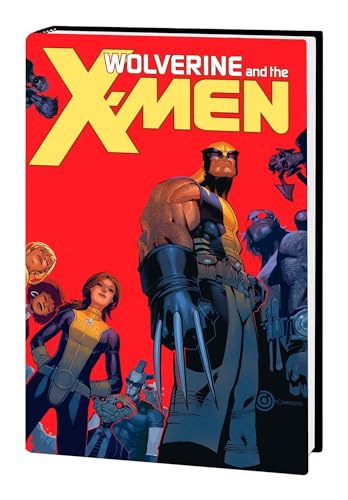
Wolverine returns to Westchester to start over with a new school, a new student body and a lot of surprises! But can Logan ― and a staff including Beast, Iceman, Rachel Grey, Kitty Pryde, Storm, Husk and Doop ― really lead the next generation of mutants into the future? Only if they survive the new Hellfire Club, Krakoa, Sabretooth, an army of mischievous Bamfs, war with the Avengers, the Phoenix Five and more!
A lighter, more humorous take, this series sees Wolverine stepping up as headmaster of the Jean Grey School for Higher Learning. Between chaotic class schedules, bizarre field trips, and mutant politics, this run balances heartfelt moments with absurd fun—perfect for readers who want to see a warmer, more playful side of the X-Men.
Astonishing X-Men (2004)
Written by Joss Whedon, Astonishing X-Men combines cinematic action with sharp, character-focused storytelling. It’s highly accessible for beginners, thanks to its self-contained arcs, while still delivering emotional stakes and iconic moments that resonate with long-time fans.
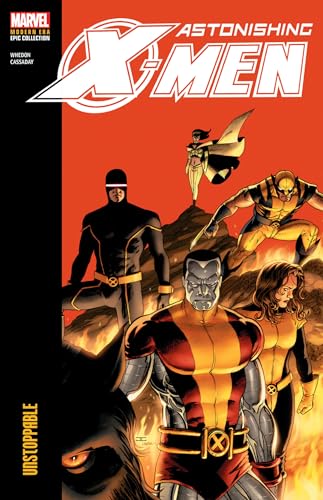
Things go from peculiar to just plain bizarre for the X-Men, as Emma Frost’s erratic behavior sends the team into a non-stop downward spiral, and the new Hellfire Club makes its move! Plus: the X-Man destined to destroy the Breakworld stands revealed! Who is it? And will the X-Men be able to protect Earth from certain destruction at the hands of the Breakworld? When it’s all over, nothing will ever be the same! No, really, we mean it!
Essential Classic Storylines Every Fan Should Know
While modern runs offer accessibility and fresh perspectives, the classic X-Men stories are the foundation of the franchise. They introduced many of the characters, relationships, and conflicts that still define the team today. These arcs are not only iconic within Marvel history but also deeply rewarding for new readers who want to understand the roots of the mutant mythos.

The Dark Phoenix Saga (1980)
Written by Chris Claremont with art by John Byrne, this is perhaps the most famous X-Men story ever told. It follows Jean Grey’s tragic transformation into the Dark Phoenix, a cosmic-level threat whose power challenges the entire team—and her own humanity. It’s a perfect example of the emotional depth and epic stakes that made the X-Men legends.
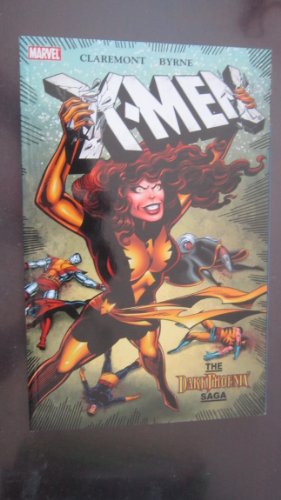
Gathered together by Professor Charles Xavier to protect a world that fears and hates them, the X-Men had fought many battles, been on adventures that spanned galaxies, grappled enemies of limitless might, but none of this could prepare them for the most shocking struggle they would ever face. One of their own members, Jean Grey, has gained power beyond all comprehension, and that power has corrupted her absolutely! Now they must decide if the life of the woman they cherish is worth the existence of the entire universe!
God Loves, Man Kills (1982)
A standalone graphic novel also penned by Claremont, this story dives deep into the mutant-as-minority metaphor. It sees the X-Men reluctantly teaming up with Magneto to stop a religious extremist bent on mutant genocide. Mature, thought-provoking, and tightly written, it’s one of the best introductions to the moral and social themes that define the series.

By 1982, the X-Men had become the biggest franchise in comic books. The engine driving it all was UNCANNY X-MEN, where Chris Claremont’s deft character work and potent exploration of the mutant metaphor captivated readers. Claremont continued to find new dramatic heights with artist Paul Smith as they unfurled the growing romance between Kitty Pryde and Colossus, the first appearances of Callisto and the Morlocks, Rogue’s debut with the team and the wedding of Cyclops and Madelyne Pryor! Claremont’s writing rose to find perhaps his most poignant and challenging expression in his graphic novel with artist Brent Anderson, “God Loves, Man Kills.” Meanwhile, he collaborated with Frank Miller on the first WOLVERINE miniseries, which rocketed the character’s popularity into the stratosphere!
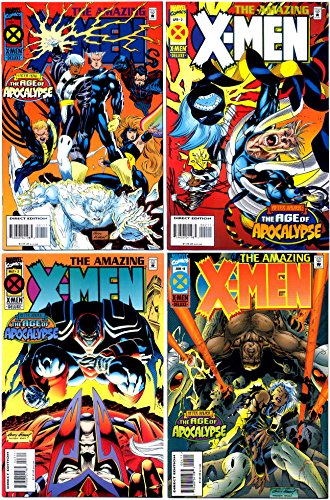
Age of Apocalypse (1995)
In this alternate reality, Professor X is dead, and the tyrant Apocalypse rules the world. Familiar heroes are reimagined in darker, more dangerous roles, creating a thrilling “what if” scenario. Because it’s largely self-contained, it’s a great way for beginners to explore a bold, alternate version of the X-Men without needing years of backstory.
Giant-Size X-Men #1 (1975)
This single issue was a turning point in X-Men history, introducing characters like Storm, Colossus, and Nightcrawler, and launching the “international” X-Men era. If you want to see where the modern team truly began, this is the place to start.
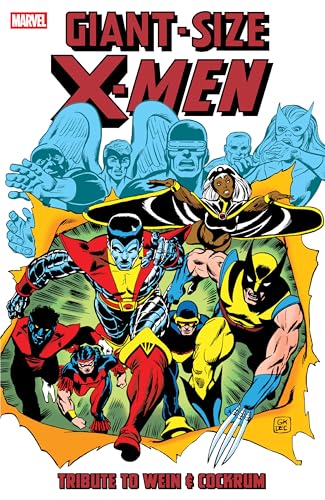
One comic book transformed the face of Marvel Comics forever in 1975. Writer Len Wein and artist Dave Cockrum revamped the X-Men with an international cast including Storm, Nightcrawler, Colossus and Wolverine! This legendary story took fans by storm and set the stage for the X-Men to become the most popular heroes in the Marvel Universe! Now, 36 of Marvel’s top artists come together to re-create this epic story, each drawing one pulse-pounding page in tribute to a true Marvel masterpiece! This all-new, all-different tribute is presented alongside Wein and Cockrum’s inimitable original — still as vibrant as the day it was published!
Beginner-Friendly Standalone Introductions

For some new readers, diving into long story arcs can feel like too big a commitment. That’s where standalone graphic novels and self-contained stories shine—they deliver a complete experience in one volume, with minimal need for prior knowledge. These are perfect for testing the waters before deciding to explore the deeper X-Men lore.
X-Men: Season One (2012)
A modern reimagining of the X-Men’s very first year, Season One retells the team’s origin with updated dialogue, contemporary pacing, and vibrant artwork. It captures the personalities of Cyclops, Jean Grey, Beast, Iceman, and Angel as they train under Professor X while facing Magneto for the first time. It’s a great “orientation” comic that lets you meet the core cast in a fresh, approachable way.
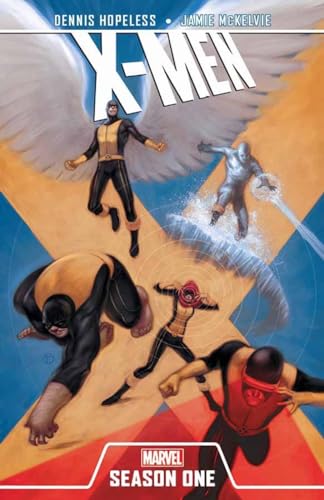
Welcome to the X-Men’s first year – hope you survive the experience! Professor Charles Xavier has recruited five of the most powerful mutants he’s ever seen, in order to save a world that hates and fears them. But there’s only one problem – they’re teenagers who have to survive hormones and uncontrollable super-powers, all while fighting for their very lives. So right now’s the perfect time for Magneto & the Brotherhood of Evil Mutants, along with the Sentinels, Unus the Untouchable and more to make their bids for control of the world, right? The first class of X-Men are forged in the fires of combat in ways you’ve never seen before. You only think you know the story!
God Loves, Man Kills (also fits here)
Although mentioned earlier as a classic, this graphic novel also works beautifully as a standalone for beginners. Its self-contained plot and emotional impact make it a must-read, even without any prior X-Men experience.
By 1982, the X-Men had become the biggest franchise in comic books. The engine driving it all was UNCANNY X-MEN, where Chris Claremont’s deft character work and potent exploration of the mutant metaphor captivated readers. Claremont continued to find new dramatic heights with artist Paul Smith as they unfurled the growing romance between Kitty Pryde and Colossus, the first appearances of Callisto and the Morlocks, Rogue’s debut with the team and the wedding of Cyclops and Madelyne Pryor! Claremont’s writing rose to find perhaps his most poignant and challenging expression in his graphic novel with artist Brent Anderson, “God Loves, Man Kills.” Meanwhile, he collaborated with Frank Miller on the first WOLVERINE miniseries, which rocketed the character’s popularity into the stratosphere!
Other Recommended One-Shots
Marvel has released several single-issue or short-format stories focusing on specific characters like Wolverine, Storm, or Nightcrawler. These are often collected in trade paperbacks and make for great bite-sized introductions to the mutant world without overwhelming you with continuity.
Recommended Reading Order for Beginners
One of the biggest challenges in reading X-Men comics is figuring out where to start without getting lost in decades of backstory. The good news is that you don’t have to read everything in strict chronological order. Instead, you can follow one of two easy paths depending on whether you prefer to start with modern stories or classic tales or

Path 1: Modern-First Approach
Ideal if you enjoy contemporary art styles, faster pacing, and recent character developments.
- House of X / Powers of X (2019) – Establishes the Krakoa era.
- Astonishing X-Men (2004) – Builds familiarity with the core team dynamic.
- New X-Men (2001) – Expands the roster and explores deeper themes.
- Wolverine & the X-Men (2011) – Offers a lighter, character-driven break.
Path 2: Classic-First Approach
Perfect for readers who want to understand the origins and foundational arcs of the X-Men.
- Giant-Size X-Men #1 (1975) – Introduction to the modern team.
- The Dark Phoenix Saga (1980) – Defining emotional and cosmic stakes.
- God Loves, Man Kills (1982) – A deep dive into mutant prejudice.
- Age of Apocalypse (1995) – Alternate reality epic that’s self-contained.
Mix-and-Match Tip
You don’t need to stick to one path exclusively. Many readers enjoy alternating between modern and classic runs to appreciate how characters have evolved over time.
If you’re reading digitally, Comixology make it easy to jump between eras without hunting for individual issues. For print lovers, trade paperback collections are your best friend—they group complete arcs in one volume.
Where to Read These Comics

Now that you know which X-Men comics to start with, the next step is figuring out where to find them. Luckily, there are plenty of options for both digital and print readers, making it easier than ever to dive into the mutant universe .
Digital Platforms
- Marvel Unlimited: Marvel’s official subscription service offers thousands of X-Men comics, including almost all the story arcs recommended here. It’s ideal for beginners because you can explore at your own pace with a huge back catalog at your fingertips.
- Comixology: Amazon’s digital comics store lets you buy single issues or collected editions. Their guided view feature makes reading on phones and tablets very user-friendly.
- Kindle and Other eBook Stores: Many graphic novels and collected editions are available for purchase as eBooks, perfect for offline reading.
Print Options
- Local Comic Shops: Supporting local comic stores is great for finding current and back-issue collections. Staff can often recommend reading orders and help locate rare editions.
- Online Retailers: Websites like Amazon, Midtown Comics, and Things From Another World (TFAW) offer trade paperbacks and graphic novels for home delivery.
- Libraries: Many public libraries stock popular graphic novels and often have digital lending options like Hoopla or OverDrive, giving you free access to comics.
Tips for Collectors and Beginners
- Start with trade paperbacks (TPBs) or graphic novels rather than single issues—they compile entire story arcs for easier reading.
- Look for “complete collections” or “ultimate editions” that gather classic runs in one volume.
- Join online forums or communities like Reddit’s r/comicbooks for up-to-date advice on the best editions and reading materials.
Tips for New X-Men Readers
Starting your X-Men journey can feel a bit like joining a team mid-mission—exciting, but also a little overwhelming. With decades of stories, countless characters, and multiple timelines, it’s normal to feel unsure about where to go next. These tips will help you enjoy the experience without getting lost in the details.
1. Don’t Worry About Reading Everything
You don’t need to consume all 60+ years of X-Men comics to understand the stories. Focus on the recommended runs first, then explore others as your interest grows.
2. Embrace Standalone Stories
Graphic novels like God Loves, Man Kills or X-Men: Season One work great for quick reads that don’t require heavy background knowledge. They’re also perfect “palate cleansers” between bigger arcs.
3. Use Online Summaries for Context
Sites like ComicBookHerald, CrushingKrisis, and Marvel’s official guide can help fill in any gaps if you start mid-story. A quick background check can make a huge difference in understanding character motivations.
4. Mix Classic and Modern Runs
Alternating between eras lets you see how characters evolve over time and gives you both the nostalgia of the past and the sleek storytelling of the present.
5. Join the Community
Discussion boards, Reddit threads, and YouTube comic reviewers are goldmines for recommendations and deeper insights. Engaging with other fans can help you discover hidden gems you might have missed.
6. Read at Your Own Pace
Don’t feel pressured to rush through. The beauty of comics is in savoring the art, the writing, and the small details—mutant history rewards patient readers.
Conclusion

The world of the X-Men is vast, vibrant, and filled with stories that resonate far beyond the pages of comic books. From their early days as a misunderstood group of outcasts to the complex, politically charged tales of today, the X-Men continue to explore themes of identity, acceptance, and courage—all wrapped in thrilling superhero action.
For beginners, the key is to start with stories that welcome you in, offering enough background without overwhelming detail. Whether you choose the modern reinvention of House of X / Powers of X, the classic epics like The Dark Phoenix Saga, or approachable standalones like X-Men: Season One, each path leads to unforgettable adventures.
So pick a story that speaks to you, dive in, and join the ranks of mutantkind. The X-Men’s universe is waiting—and there’s never been a better time to start reading.
Happy mutant reading!
FAQs
Do I need to read all the comics in order to understand the X-Men?
Not at all! Many X-Men story arcs are designed to be enjoyed as standalone or limited series. Starting with curated runs like House of X or The Dark Phoenix Saga will give you a solid foundation without needing to read everything
What’s the best way to read X-Men comics—print or digital?
It depends on your preference! Digital platforms like Marvel Unlimited offer convenient access to thousands of issues, perfect for binge-reading. Print editions, like trade paperbacks, offer the tactile joy of physical books and make great collectibles.
Are the X-Men comics connected to the movies or TV shows?
The comics are the original source material, but they have their own separate continuity from most adaptations. While movies and shows borrow characters and concepts, the comics offer a much deeper and broader story experience.
Can I jump into X-Men comics if I’ve never read any Marvel comics before?
Absolutely! The recommended beginner-friendly story arcs are crafted to welcome new readers, whether or not you’re familiar with Marvel’s wider universe.
Who are the main characters I should know about?
The core X-Men team typically includes Professor X, Wolverine, Cyclops, Jean Grey, Storm, Beast, and Iceman. Each brings unique powers and personality to the group, and many of the recommended runs focus on these characters.
Where can I find reading guides to help me navigate the X-Men comics?
Websites like ComicBookHerald, CrushingKrisis, and official Marvel guides are excellent resources for reading orders and summaries. Online communities like Reddit’s r/comicbooks also offer friendly advice.