
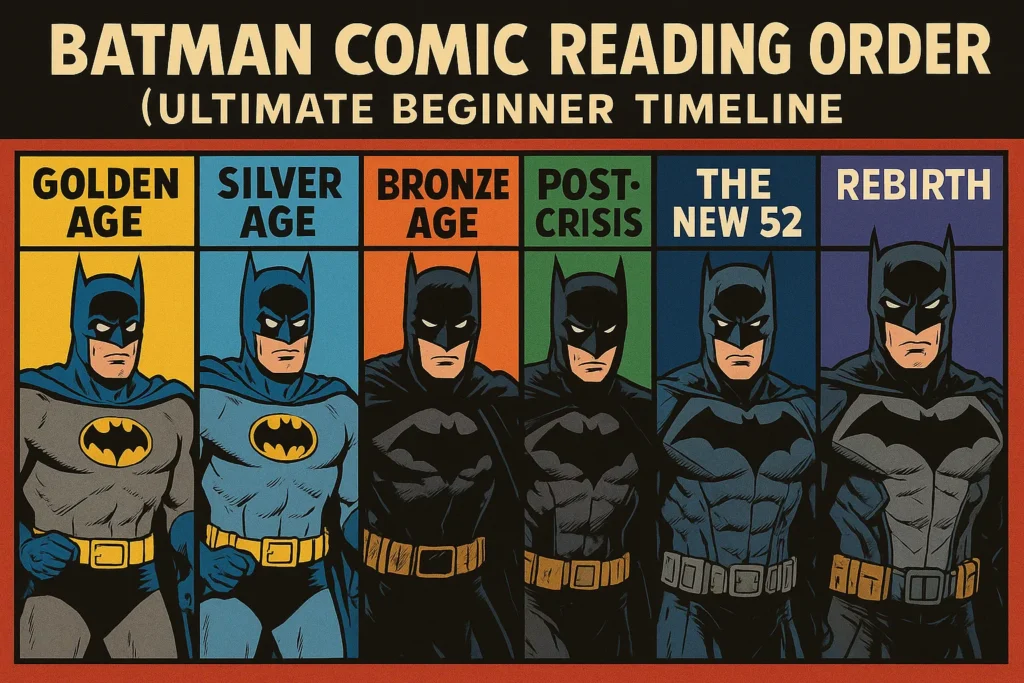
Reflects current runs including Batman (2025) by Matt Fraction and Jorge Jimenez, and Absolute Batman (2024) by Scott Snyder and Nick Dragotta.
New to Batman and not sure where to dive in? You are not alone. With over 85 years of comics, dozens of reboots, and hundreds of story arcs, figuring out how to start reading Batman comics can feel overwhelming. This guide cuts through the noise with a clear, beginner-friendly path through the Dark Knight’s greatest stories.
Whether you want a quick starting point or a full Batman reading guide covering every major era, this page has you covered. And if you are new to DC comics in general, our DC Comics beginner reading order is a great companion resource.
Start Here: Best First Comic for Beginners
Best Starting Point
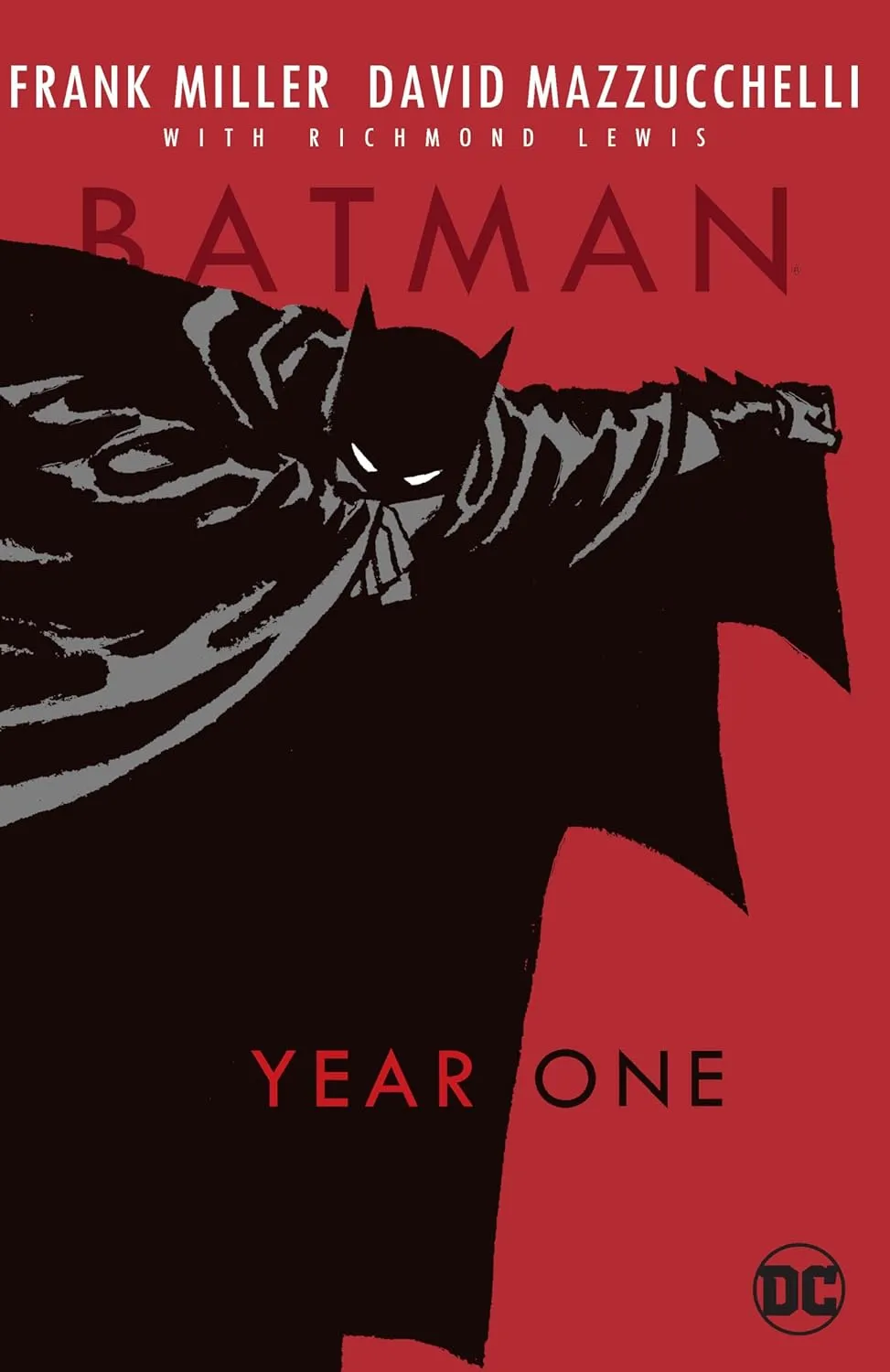
Batman: Year One (1987) by Frank Miller and David Mazzucchelli
This is the single best place to start your Batman reading order. Year One is a gritty, street-level retelling of Bruce Wayne’s first year as Batman, set alongside Jim Gordon’s arrival in a deeply corrupt Gotham City. It is short (four issues), completely self-contained, and requires zero prior knowledge. Every major Batman adaptation, from Christopher Nolan’s Batman Begins to the Arkham video games, draws directly from this story. If you read nothing else, read this.
⭐ BEST PLACE TO START BATMAN
Batman: Year One (1987)
The definitive origin story. dark, grounded, and perfect for beginners.
✔ Beginner-friendly ✔ Critically acclaimed ✔ Short & impactful
Limited stock often runs out on Amazon
Alternative Starting Points
Batman: The Court of Owls (2011) by Scott Snyder and Greg Capullo The cleanest modern entry point. DC’s New 52 relaunch starts at issue #1 with no backstory required. A secret society has ruled Gotham for centuries, and Batman never knew they existed. Cinematic, fast-paced, and instantly gripping for new readers.
Batman: The Court of Owls
2011 • A modern Batman classic & fan-favorite storyline
Batman: Absolute Batman Vol. 1: The Zoo (2024) by Scott Snyder and Nick Dragotta The freshest starting point in 2026. This alternate-universe reimagining strips Bruce Wayne of his wealth and reinvents him as a blue-collar civil engineer in Gotham. No prior Batman knowledge needed, and the manga-influenced art style makes it uniquely accessible. It became the best-selling comic of 2024 and is still ongoing.
Batman: Absolute Batman Vol. 1: The Zoo
2024 • Best-selling comic of 2024 and is still ongoing.
Batman (2025) #1 by Matt Fraction and Jorge Jimenez The newest jumping-on point in the main DC continuity. Fraction and Jimenez launched this series in September 2025 with a new costume, a new Batmobile, and a fresh approach built around self-contained but connected stories. Every issue works as a standalone adventure, making it perfect for readers who want to start with current Batman comics right now
Batman (2025) #1
2025 • Perfect for readers who want to start with current Batman comics right now
Quick Start Reading Path
A simple five-comic path for total newcomers:
- Batman: Year One (1987) : The essential origin
- Batman: The Long Halloween (1996-97) : The best Batman noir mystery
- Batman: The Killing Joke (1988) : The definitive Joker story
- Batman: Court of Owls (2011) : The best modern arc for new readers
- Batman (2025) #1 by Matt Fraction : The current series, great to start today
Full Batman Reading Order
Phase 1: Golden Age and Silver Age Origins (1939-1970s)
- Detective Comics #27 (1939): First appearance of Batman, created by Bob Kane and Bill Finger
- Batman #1 (1940): Debut of the Joker and Catwoman
- Detective Comics #38 (1940): Robin the Boy Wonder joins as Batman’s sidekick
- Batman: The Golden Age Omnibus Vol. 1 (collected): Best way to read this era in print today
- Detective Comics #205 (1954): “The Origin of the Batcave” : a foundational mythology issue
- Batman #251 (1973): “The Joker’s Five-Way Revenge!” : the Bronze Age pivot point
Most new readers can skip this era and return later. It rewards historically curious fans and completists, but is not required to enjoy modern Batman.
Phase 2: Bronze Age, The Gritty Turn (1970s-1980s)
- Batman: Strange Apparitions (Detective Comics #469-476): A detective-focused arc and a major return to noir roots
- Batman #251 (1973): Landmark issue that restored the Joker as a genuine menace
- Batman: The Demon Lives Again (Batman #244): Iconic Ra’s al Ghul story with peak Neal Adams artwork
- Detective Comics #457 (“There is No Hope in Crime Alley”): Bruce Wayne returns to the place where his parents died
- Batman: Neal Adams Vol. 1-2 (collected): The best entry point for this era in modern print
The Neal Adams and Dennis O’Neil run of the early 1970s transformed Batman from a campy Silver Age figure back into the haunted, obsessive detective the character was always meant to be. This era introduced Ra’s al Ghul, Talia, and a far more dangerous Joker. It is essential background for anyone who wants to understand the DNA behind the Christopher Nolan films and the Arkham game series.
Phase 3: The Modern Era and Post-Crisis (1986-2011)
This is the most recommended era to start with for modern readers. Following Crisis on Infinite Earths in 1985-86, Batman received a refined origin, deeper supporting cast, and a serialized universe that built on itself for over two decades.
Origins and Early Years
- Batman: Year One (Batman #404-407, 1987): The definitive modern origin
- Batman: The Man Who Laughs (2005): Batman and the Joker meet for the first time post-Year One
- Batman: The Long Halloween (1996-97): A 13-issue noir murder mystery tracing Harvey Dent’s fall
- Batman: Dark Victory (1999-2000): Sequel to Long Halloween; Dick Grayson becomes Robin
- Robin: Year One (2000-01): Dick Grayson’s early days as Robin
- Batgirl: Year One (2003): Barbara Gordon’s origin as Batgirl
Turning Points and Trauma
- Batman: The Killing Joke (1988): The Joker’s most iconic story; Barbara Gordon is shot and paralyzed
- A Death in the Family (Batman #426-429, 1988): Jason Todd, the second Robin, is killed by the Joker
- A Lonely Place of Dying (1989): Tim Drake proves himself and becomes the third Robin
- Batman: Knightfall Saga (1993-94): Bane breaks Batman’s back; Azrael temporarily takes the cowl
Gotham Under Siege
- Batman: Contagion (1996): A deadly plague spreads through Gotham
- Batman: Cataclysm (1998): A devastating earthquake hits Gotham
- Batman: No Man’s Land (1999): The US government abandons Gotham; Batman and allies fight to reclaim the city
- Batman: Hush (Batman #608-619, 2002-03): A high-stakes mystery villain with appearances from nearly every major character
Grant Morrison and Legacy
- Batman and Son / Batman R.I.P. / Batman and Robin / Batman Incorporated (2006-2013): Grant Morrison’s ambitious epic run introducing Damian Wayne and reshaping Batman mythology
- Batman: Under the Red Hood (2004-05): Jason Todd returns with a vengeance
- Batman: The Black Mirror (Detective Comics #871-881, 2010-11): Dick Grayson as Batman in a brutal noir thriller; widely considered one of the best Batman stories ever written
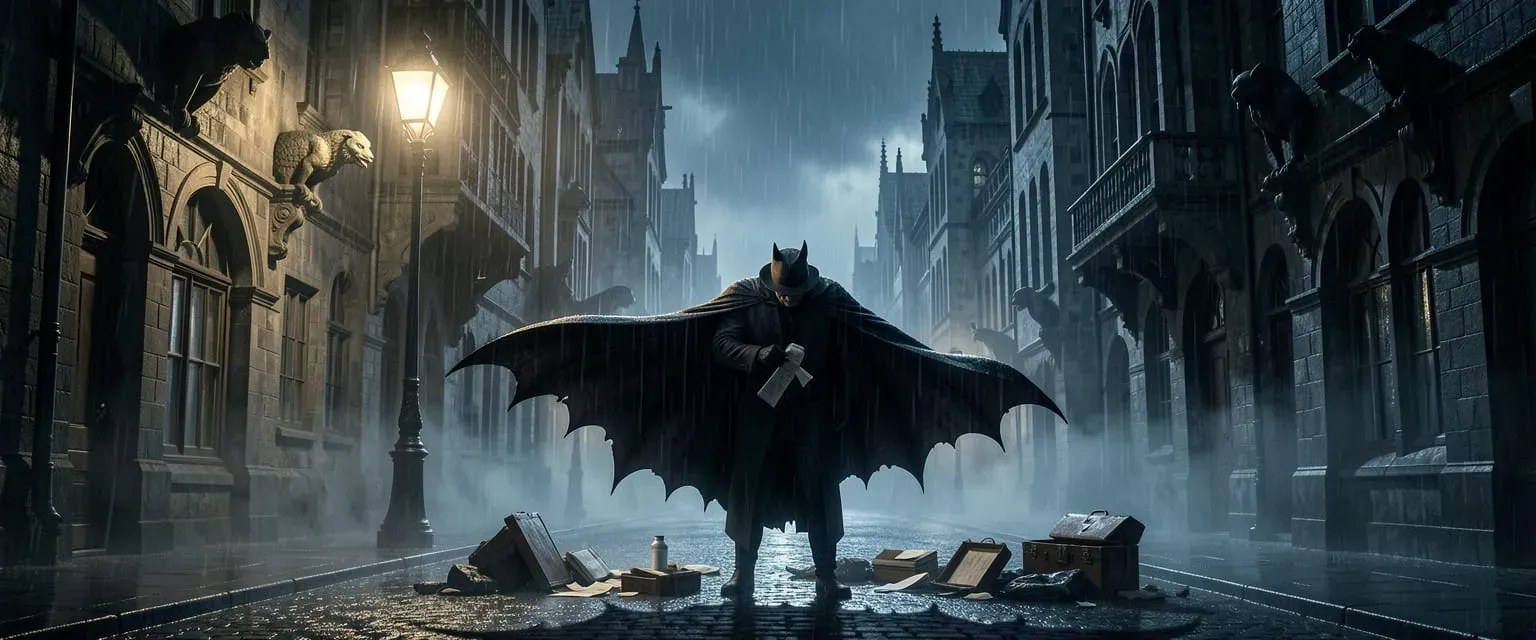
Phase 4: The New 52 Era (2011-2016)
In 2011, DC Comics relaunched every title at issue #1. Batman’s past continuity was mostly preserved, but the universe was streamlined for new readers. The main Batman series by Scott Snyder and Greg Capullo is one of the best runs in the character’s history.
Core Snyder and Capullo Run (Batman Vol. 2)
- Court of Owls (#1-11): A secret society called the Court of Owls has ruled Gotham for centuries. Introduces the Talons as new villains. Instant classic and the perfect entry point for this era.
- City of Owls (#12): Direct follow-up and crossover conclusion
- Death of the Family (#13-17): The Joker returns with a plan to destroy Batman’s relationships with all of his allies
- Zero Year (#21-33): A reimagined Batman origin story; more bombastic than Year One but equally essential for New 52 continuity
- Endgame (#35-40): The Joker’s most violent and apocalyptic gambit; ends with a genuinely shocking conclusion
Other Notable New 52 Batman Titles
- Batman Eternal (weekly, 52 issues, 2014-15): A Gotham-wide saga spotlighting the full Bat-Family
- Batman and Robin by Peter Tomasi: Focuses on Bruce and Damian Wayne’s father-son relationship
- Batman: The Dark Knight and Detective Comics: Mixed quality but worth sampling
The New 52 is a clean starting point for readers who want no backstory required. Start with Batman Vol. 1: The Court of Owls and go from there.
Phase 5: DC Rebirth and the Current Era (2016-Present)
DC Rebirth in 2016 restored the emotional legacy and long-running relationships that The New 52 had erased. For Batman, this meant a series of bold, psychologically driven runs.
Tom King’s Batman (Batman Vol. 3, Issues #1-85, 2016-2019)
Tom King’s run is built around Batman’s inner life: his relationship with Catwoman, the weight of Gotham on his shoulders, and his limits as a human being. It is polarizing but undeniably ambitious.
Key arcs:
- I Am Gotham (#1-6): Two new heroes with tragic results
- I Am Bane (#16-20): A brutal rematch with high emotional stakes
- The War of Jokes and Riddles (#25-32): A flashback saga: Joker vs. Riddler in a Gotham gang war
- Batman #50: The infamous wedding issue; Batman and Catwoman at a turning point
- City of Bane (#75-85): Bane takes control of Gotham in the run’s culmination
James Tynion IV’s Batman (2020-2021)
Tynion shifted back to action and new characters, introducing Punchline (the Joker’s new partner) and Ghost-Maker (a rival vigilante). Major events include Joker War and Fear State.
Chip Zdarsky’s Batman (2022-2025)
Zdarsky used multiverse theory and moral conflict to question what makes Batman who he is. His Failsafe arc pits Batman against a failsafe AI designed to stop him if he ever crosses a line. Followed by The Bat-Man of Gotham, a multiverse story. Strong writing with philosophical weight.
Matt Fraction and Jorge Jimenez’s Batman (2025-Present)
The current era of Batman comics. Launched September 2025, this run brings a new Batmobile, Batman’s classic blue and grey costume, and a series of connected but self-contained stories. Jimenez’s art has evolved into a pop-noir style described by reviewers as “Frank Miller but anime.” This is the easiest jumping-on point if you want to start reading Batman today.
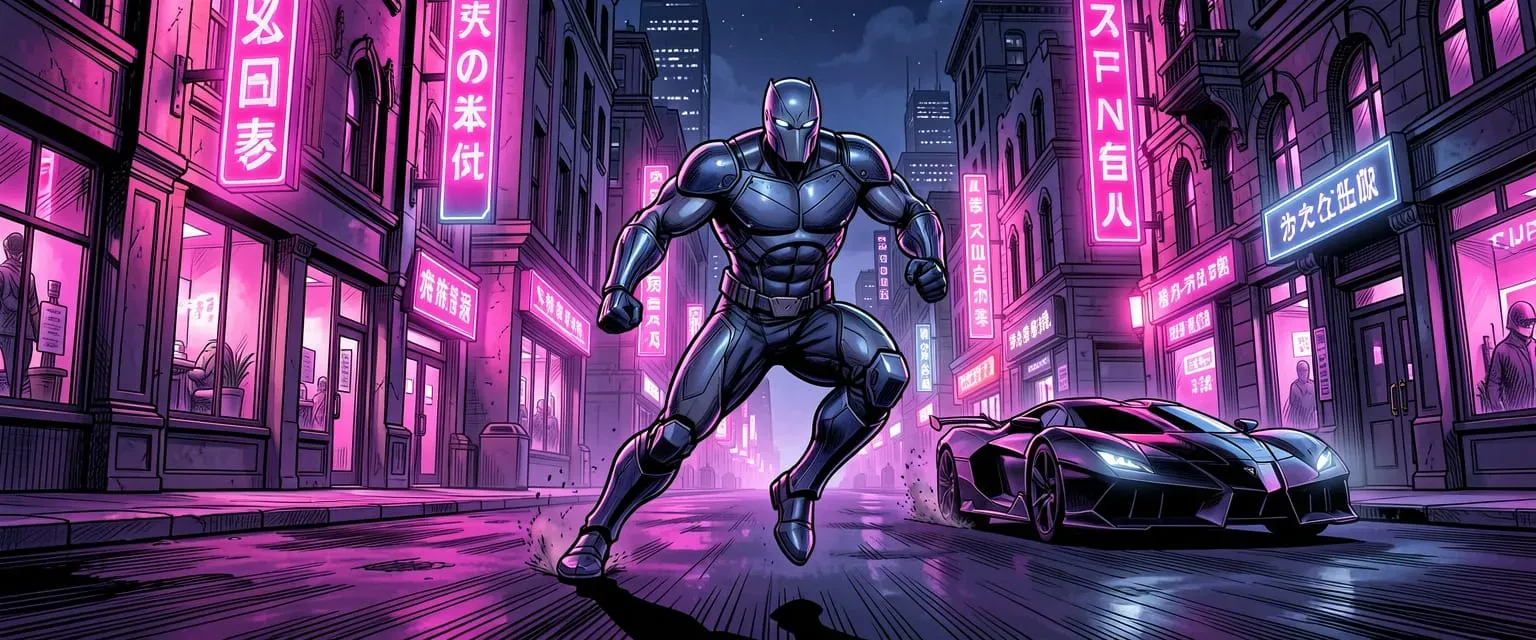
Absolute Batman (2024-Present) by Scott Snyder and Nick Dragotta
Running parallel to the main DC universe, this alternate-universe series reimagines Bruce Wayne as a working-class civil engineer without family wealth. Snyder and Dragotta’s Absolute Batman became the best-selling comic of 2024 and is now past issue 19. Collected in Absolute Batman Vol. 1: The Zoo and Vol. 2: Abomination. The Absolute Universe is a completely separate continuity, so there is zero required reading before picking this up.
Take this with you
Want a clean, printable version of this reading order? Download the checklist and follow it step-by-step without getting lost.
Best Batman Comics of All Time
These are the titles that appear on every recommended list, appeal to readers of all backgrounds, and hold up decades after publication. For more recommendations, see our full guide to the best Batman comics for beginners.
- Batman: Year One (1987): The definitive origin. Short, accessible, and perfect.
- Batman: The Long Halloween (1996-97): A 13-issue noir mystery set in Batman’s early career. One of the best detective stories in comics.
- Batman: The Dark Knight Returns (1986) by Frank Miller: A legendary dystopian future story of an aging Bruce Wayne coming out of retirement. Gritty, political, and mythic. Standalone and universally respected.
- Batman: The Killing Joke (1988) by Alan Moore and Brian Bolland: The Joker’s origin and his most devastating act. Dark, beautifully drawn, and immensely influential on film and animation.
- Batman: Hush (2002-03): A page-turning mystery that features nearly every major villain. Great for readers who love puzzle-box storytelling.
- Batman: The Court of Owls (2011): The best modern Batman arc and a perfect entry point. Snyder and Capullo at their peak.
- Batman: The Black Mirror (2010-11): Scott Snyder’s debut on Batman featuring Dick Grayson. Dark, relentless, and brilliantly constructed.
- Gotham Central (2002-06) by Greg Rucka and Ed Brubaker: Follows the GCPD trying to do their jobs under Batman’s shadow. Procedural storytelling with exceptional character work. For fans of The Batman (2022 film).
Modern Entry Points (2024-2026)
Absolute Batman Vol. 1: The Zoo (2024) No continuity knowledge required. A fresh, alternate-universe Batman with a working-class background and manga-influenced art. The best-selling comic of 2024. Start here if you want the freshest possible beginning.
Batman: Absolute Batman Vol. 1: The Zoo
2024 • Best-selling comic of 2024 and is still ongoing.
Batman (2025) #1 by Matt Fraction and Jorge Jimenez The current flagship Batman series. Each issue tells a self-contained chapter in an ongoing story, so readers can jump in at any point. Set in the main DC Universe with a new costume and revamped Gotham. You can start at issue #1 or pick up the first collected volume when available. See the official DC Batman page for current issues.
Batman (2025) #1
2025 • Perfect for readers who want to start with current Batman comics right now
Batman: Court of Owls (2011) Still the cleanest modern entry point if you want to start at the New 52 relaunch. Position yourself at the beginning of Snyder and Capullo’s celebrated run and work forward from there.
Batman: The Court of Owls
2011 • A modern Batman classic & fan-favorite storyline
What to Skip (For Now)
- Golden Age issues (1939-1950s): Historically fascinating but very dated in tone and storytelling. Return here after reading modern Batman if you want to trace the full evolution.
- Batman: Knightfall without the context: Knightfall is essential Batman reading, but it is best appreciated after Year One, The Long Halloween, and The Killing Joke. Jumping straight here as a first read is confusing.
- Batman Eternal (2014-15): Great for fans who are already invested in the Bat-Family, but at 52 issues it is not a good entry point. Save it until after Snyder and Capullo’s main New 52 run.
- Grant Morrison’s full run without a guide: Morrison’s Batman epic (2006-2013) is brilliant but deliberately dense and filled with references to obscure Silver Age stories. Read it with a companion guide, or after you have finished the Modern Era essentials.
- Rebirth crossover events: Shadow War, Dark Crisis, and Knight Terrors are rewarding for dedicated readers but confusing for newcomers. These are not where you should start.
Choose Your Reading Path
Beginner Path
For total newcomers who want the essential Batman experience in the fewest possible reads.
- Batman: Year One
- Batman: The Long Halloween
- Batman: The Killing Joke
- Batman: The Court of Owls
- Batman: Endgame
Casual Path
For readers who want the highlights across several eras without committing to full runs.
- Batman: Year One
- Batman: The Dark Knight Returns
- Batman: The Black Mirror
- Batman: Hush
- Absolute Batman Vol. 1: The Zoo (2024)
Completionist Path
For readers who want to experience Batman’s evolution in order.
- Batman: Golden Age Omnibus Vol. 1 (sampling)
- Batman: Neal Adams Vol. 1-2
- Batman: Year One
- Batman: The Man Who Laughs
- Batman: The Long Halloween and Dark Victory
- Batman: The Killing Joke
- Batman: A Death in the Family
- Batman: Knightfall Saga (Vols. 1-3)
- Batman: No Man’s Land (Vols. 1-5)
- Batman: Hush
- Batman: Under the Red Hood
- Batman by Grant Morrison (Omnibus 1-3)
- Batman: The Black Mirror
- Batman (New 52): Court of Owls through Endgame
- Batman: Zero Year
- Batman Vol. 3 (Tom King): I Am Gotham through City of Bane
- Batman (Tynion IV): Joker War and Fear State
- Batman (Zdarsky): Failsafe through The Bat-Man of Gotham
- Batman (2025) by Matt Fraction (ongoing)
- Absolute Batman (2024, ongoing, separate universe)
Frequently Asked Questions
-
Where should I start with Batman comics?
Start with Batman: Year One by Frank Miller and David Mazzucchelli. It is a short, accessible, self-contained origin story that requires no prior knowledge and sets up every major character in Batman’s world. From there, move to The Long Halloween and The Killing Joke to complete the essential starter trilogy. Or, if you want the newest entry point, Batman (2025) #1 by Matt Fraction is designed to be beginner-friendly from issue one.
-
What is the best Batman comic for beginners?
Batman: Year One is the most recommended single starting point, per the official DC Comics reading guide. The Long Halloween is a close second for readers who enjoy detective mysteries. For a completely modern option with no continuity baggage, Absolute Batman Vol. 1: The Zoo (2024) is an outstanding choice.
-
Do I need to read Batman comics in order?
No. Batman stories are mostly written with new readers in mind. You can pick up standalone books like The Dark Knight Returns, Arkham Asylum, or Batman: Ego without knowing any backstory. For runs like the New 52 or Rebirth, starting at issue #1 of those relaunches gives you everything you need. Only the deepest continuity arcs (like Grant Morrison’s run or the Knightfall saga) benefit from prior reading.
-
How many Batman comics are there?
Batman has been published continuously since 1939, making him one of the longest-running characters in comics history. A complete Batman reading order from DC’s Post-Crisis era alone covers over 1,000 issues. No one reads everything. Use this guide to find the stories that match your interests and skip the rest.
-
What is the difference between Absolute Batman and the regular Batman comics?
Absolute Batman (2024, by Scott Snyder and Nick Dragotta) takes place in DC’s Absolute Universe, a completely separate continuity from the main DC comics. In this version, Bruce Wayne is a working-class civil engineer without family wealth. You do not need to have read any previous Batman comics to enjoy it, and it does not affect or connect to the main Batman series by Matt Fraction. Think of it as an exciting alternate-universe reimagining you can read alongside or instead of the main continuity.
Get the Ultimate Batman Reading Guide
If you want a single downloadable resource to take with you to the comic shop or use offline, our Batman reading guide PDF pulls everything from this page into a clean, printable format.
Inside the guide:
- A one-page quick-start chart for new readers
- The full era-by-era reading order with issue numbers and collected edition ISBNs
- A “what to skip” checklist for the most common beginner pitfalls
Start here, save it, and never get lost in Batman’s 85-year history again.
More Guides You Might Like
- Batman: Where to Start Reading : A streamlined beginner-only guide
- Best Batman Comics of All Time : Our ranked list of essential reads
- Batman Character Hub : Overview of the full Batman universe
- DC Comics Beginner Reading Order : The bigger DC picture for new readers
- What is a TPB? Trade Paperbacks Explained : How to buy Batman comics in collected editions